
A Nation Remembering Resistance
Cartes Postales from GreeceThis thread traces how Greek stories of invasion, occupation, and resistance shape the characters’ understanding of national identity and present hardship.
increasing Bearing strength in each event
 decreasing
Bearing strength in each eventdecreasingConstantinople Remembered
Constantinople Remembered
A loss attached to a date
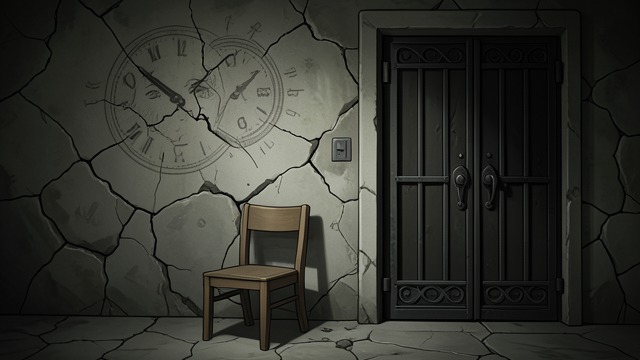
The story recalls the fall of Constantinople on a Tuesday in 1453, an event still treated by some Greeks as an ill omen. Centuries later, memory remains active in everyday customs.
A family forced to leave
Apostolos and Melina flee Constantinople after anti-Greek violence in 1955. Their personal displacement connects modern family history with a longer narrative of loss.
National memory shapes the Papazoglous’ lives even after they have rebuilt their fortunes in Greece.
Independence as Sacred Memory
Independence as Sacred Memory
A parade joins religion and history
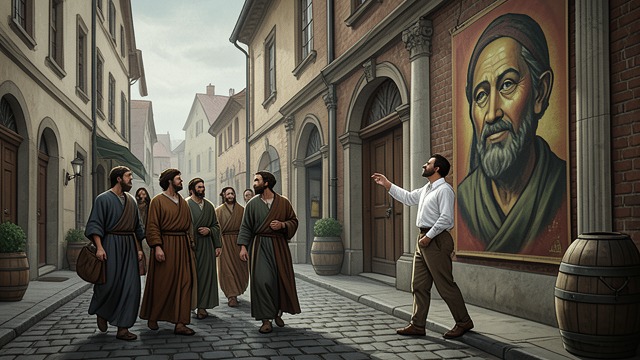
Anthony watches soldiers, schoolchildren, and regional costumes pass through Thessaloniki on Greek Independence Day. A local man links the uprising against Ottoman rule to the Feast of the Annunciation.
The past becomes present tense
The speaker recounts liberation as though he witnessed it, presenting faith and resistance as inseparable. His family has heard the story many times, but he needs another listener.
The parade reveals how national history survives through repeated personal telling.
A Flag in Occupied Thessaloniki
A Flag in Occupied Thessaloniki
Resistance enters private life
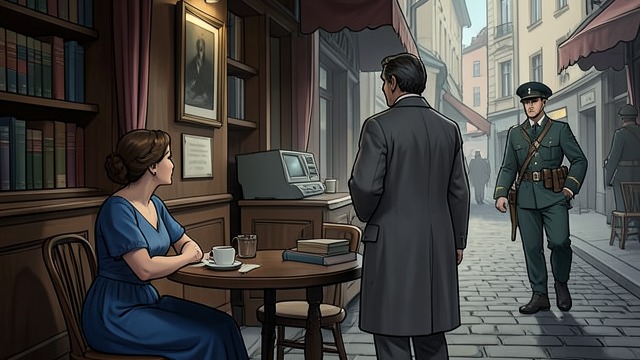
Evangelia’s brothers leave to join the resistance while she remains with her father at the cafe. The family navigates occupation through small acts of survival and risk.
A German individual complicates the division
Franz protects her father and asks Evangelia to distinguish him from the soldiers who threaten them. Their connection does not erase the occupation or its inequalities.
The story shows national conflict pressing into a private relationship without making the two equivalent.
Memory at Kalavrita
Memory at Kalavrita
A town marked by massacre
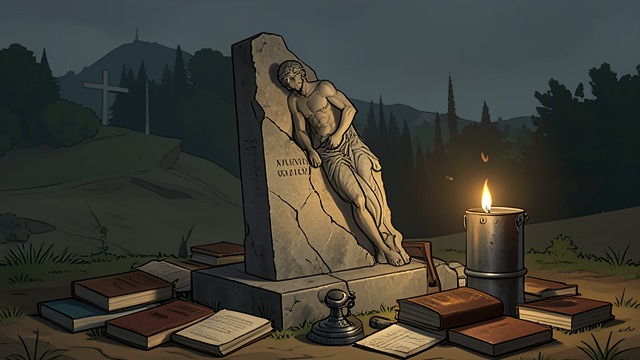
Anthony visits memorials to the German massacre of men and boys at Kalavrita and the burning of homes. The site makes forgiveness feel difficult rather than automatic.
Healing is not comparison
He does not equate his romantic rejection with the town’s suffering, but considers whether healing may still require forgiveness. He knows he has not yet reached that point.
The encounter prevents personal grief from becoming the only measure of pain while keeping the question of recovery alive.
The Costs of Resistance
The Costs of Resistance
An ancient example remains visible
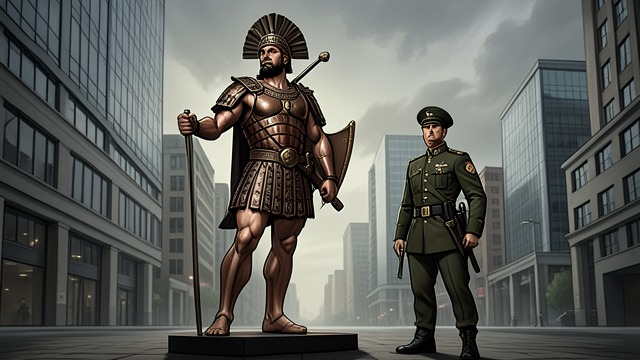
Anthony pauses at the monument to Leonidas at Thermopylae and reads the challenge to the invading Persians. The statue presents resistance as a defining national inheritance.
A modern family remembers Germany
An elderly man tells Anthony that his brother died resisting the Germans. He links the ancient battle to more recent experience and to continuing anger over debt and historical responsibility.
The stories frame resistance as both a source of pride and a recurring response to power.
The account of the Papazoglou family in 1955
March 25, 2016, in Thessaloniki
The years of German occupation
Anthony’s visit in spring 2016
Anthony’s spring journey toward Thermopylae
